
Christchurch winters mean heaters, electric blankets and wood burners running for months, often late into the evening. A smoke alarm in the hallway does its job only if someone hears it, and in a bedroom with the door shut at the other end of the house that is not a given.
This guide explains what interconnection adds, the choice between wireless and hard-wired systems, how many alarms a typical house needs, and what the law requires of landlords.
What is an interconnected smoke alarm?
It is a smoke alarm that talks to the others in the house. When any one of them detects smoke, they all sound together, so a fire starting in the garage or the lounge wakes the people asleep upstairs.
Consumer NZ notes that some smoke alarms can be connected through hard-wiring or wireless technology. The alarms themselves are the same photoelectric type; the difference is how they pass the signal.
Without interconnection, each alarm is on its own. That is fine in a small single-level unit where every alarm is within earshot of every bed. It is much less reliable in a larger house, a split-level home on the Cashmere hillside, or a property with a sleepout or granny flat out the back.
Wireless or hard-wired interconnection: which is better?
Both work. Wireless is quicker to install in an existing home, and hard-wired suits new builds, renovations and anyone who wants alarms that are not reliant on batteries alone.
Wireless alarms run on long-life sealed batteries and link by radio, so they go up without opening ceilings. That makes them a good fit for older Christchurch homes where getting cable through lath and plaster or between brick walls is slow work, such as the villas and brick bungalows around Beckenham.
Hard-wired alarms take power from the house wiring, usually with a battery backup so they keep working in a power cut. Consumer NZ points out that installing and replacing hard-wired alarms must be done by a licensed electrician. If your ceilings are already open for rewiring or a renovation, that is the moment to wire them in.
| Wireless interconnected | Hard-wired interconnected | |
|---|---|---|
| Power | Long-life sealed battery | House wiring, usually with battery backup |
| Installation | No cabling between alarms | Cable to each alarm; licensed electrician |
| Best fit | Existing homes, rentals, brick or plaster ceilings | New builds, rewires, renovations |
| Adding alarms later | Pair a new alarm to the set | May need new cable runs |
Photoelectric or ionisation alarms?
Photoelectric. Consumer NZ says photoelectric alarms are good at detecting both flaming and smouldering fires, while ionisation alarms are slower to pick up smouldering fires and are no longer sold in New Zealand.
If you have old alarms with a radiation symbol on the casing, they are ionisation units, and Consumer NZ recommends replacing them. Smouldering fires matter in winter: a heater too close to bedding or a fault in an old cord can smoulder for some time before flames appear.
For rentals the choice is made for you. Tenancy Services requires new alarms to be photoelectric, with a battery life of at least eight years or hard-wired.
Want every alarm to sound at once?
Cheeky's Electrical installs wireless and hard-wired interconnected photoelectric alarms, placed where the guidance says they should go.
How many alarms does a two-storey house need?
More than most people expect. Consumer NZ's guidance is to put alarms in bedrooms and hallways, on or near the ceiling, and it notes that Fire and Emergency New Zealand also recommends them in living areas. Tenancy Services adds a minimum of one on every level of a multi-level home.
Take a four-bedroom, two-storey house as a worked example. Following that guidance you would fit one in each bedroom, one in the upstairs hallway, one in the downstairs hallway and one in each living area, which comes to around eight alarms. A single-level three-bedroom bungalow might need five or six.
Keep alarms out of kitchens, where cooking causes false alarms, and out of bathrooms. A kitchen still benefits from a fire blanket or extinguisher, and an extractor fan cuts steam that can set off a nearby alarm.
- every bedroom
- every hallway outside bedrooms
- every living area
- at least one on each level
- a sleepout or granny flat that people sleep in
Do rentals need interconnected alarms?
No. Tenancy Services sets the type and placement of rental alarms but does not list interconnection among the requirements. Alarms must be within 3 metres of each bedroom door or in every room where someone sleeps, on each level of a multi-level home, and in rental caravans and self-contained sleepouts.
Landlords must make sure alarms are working at the start of each tenancy and stay in working order throughout. Tenants must not damage, remove or disconnect an alarm, must replace dead batteries in older alarms with replaceable batteries, and must tell the landlord about problems as soon as possible.
Interconnection is still a sensible upgrade for a landlord, especially in larger flats. Student houses near the university in Ilam and Riccarton often have several bedrooms off long hallways, where one alarm going off in the lounge may not wake everyone. Our smoke alarm installation service covers rentals and can supply the paperwork for your records.
How do I test and maintain interconnected alarms?
Consumer NZ recommends testing and vacuuming smoke alarms monthly, and replacing all of them within 10 years. With an interconnected set, pressing the test button on one should set off every alarm in the house; if one stays silent, it has lost its link or its power.
Write the install date on each alarm or keep a note in the meter box, so the 10 year replacement does not sneak up on you. Replacing a whole set at once keeps the links simple, because mixing old and new models from different ranges does not always pair.
Sleepouts and granny flats are easy to forget. If someone sleeps there, it needs its own alarm, and with a wireless set it can be paired to the main house so a fire in either building is heard in both. Check the range of the wireless link first, because a long garden or a brick wall between buildings can weaken the signal.
Should I check the wiring at the same time?
If you are hard-wiring alarms into an older or repaired home, it makes sense. The alarm circuit is only as good as the wiring behind it, and a combined visit is cheaper than two.
Plenty of houses in Burwood, Kaiapoi and New Brighton were repaired after the earthquakes and now mix new circuits with original ones. An electrical inspection alongside the alarm job tells you whether the board and circuits are sound. Cheeky's Electrical works right across the city, from the student flats of West Christchurch to the new towns north and south, so the alarms and any fixes can be done in one trip.
Frequently Asked Questions
Can I mix brands of interconnected alarm?
Usually not. Wireless alarms pair within one manufacturer's range, and hard-wired interconnect signals are not standard between brands. Buy the whole set from one range.
Do hard-wired alarms still work in a power cut?
Most hard-wired alarms include a backup battery for this reason. Check the model you choose has one, and replace it as the manufacturer says if it is not sealed for life.
Can I install wireless alarms myself?
Battery-powered wireless alarms can be fitted by a homeowner following the instructions. Hard-wired alarms connect to the fixed wiring and must be installed by a licensed electrician.
Will burnt toast set off every alarm in the house?
If an alarm sits too close to the kitchen, yes. Most interconnected sets have a hush button to silence a false alarm, but the better fix is moving the nearest alarm further from the cooktop.
Are heat alarms worth adding?
Heat alarms can suit garages or kitchens where smoke alarms give false alarms. Some ranges link heat and smoke alarms together, so a fire in the garage still sounds through the house.
Our Services
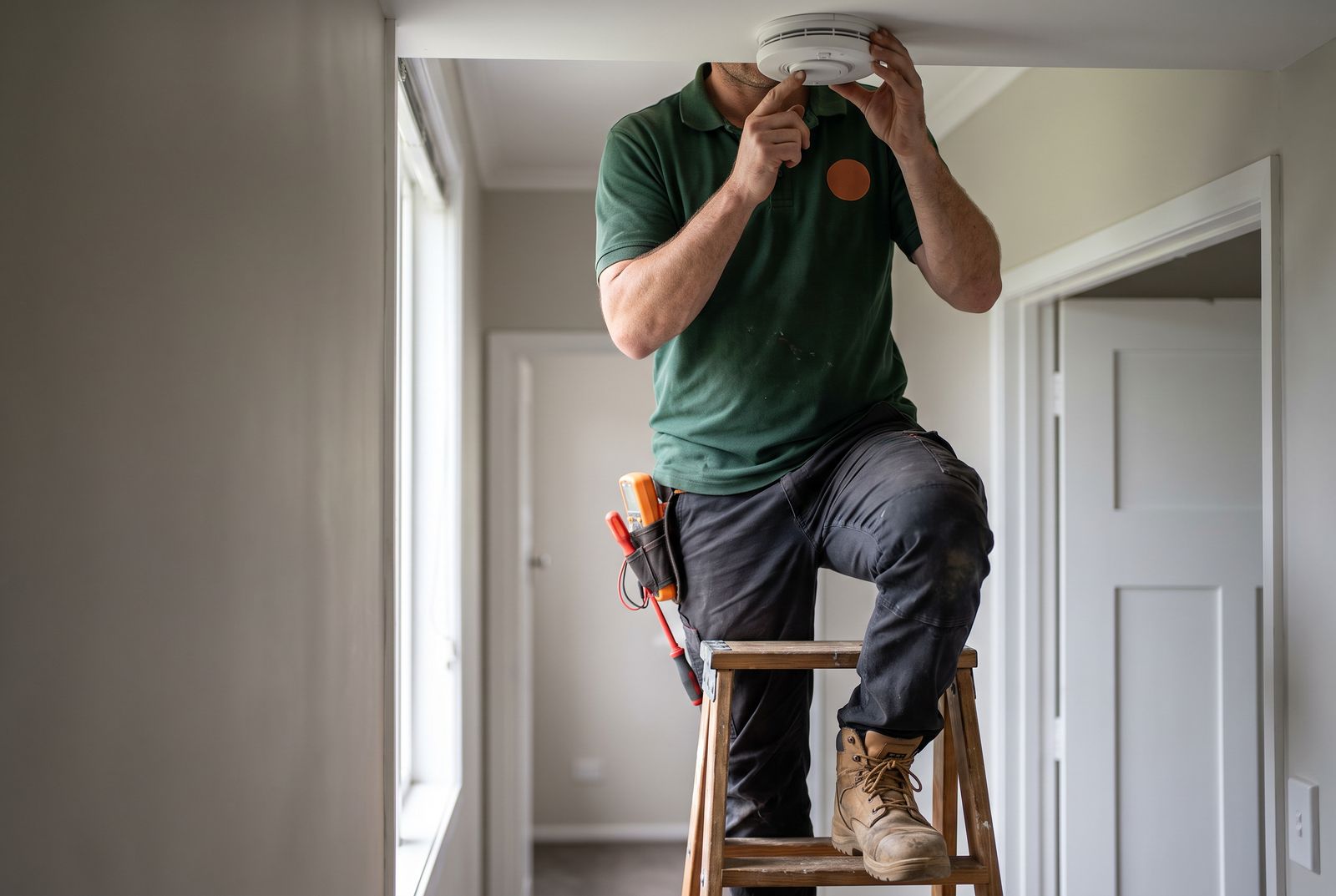 Smoke Alarm InstallationHard-wired and long-life photoelectric smoke alarms installed in the right places, including rentals that must comply.
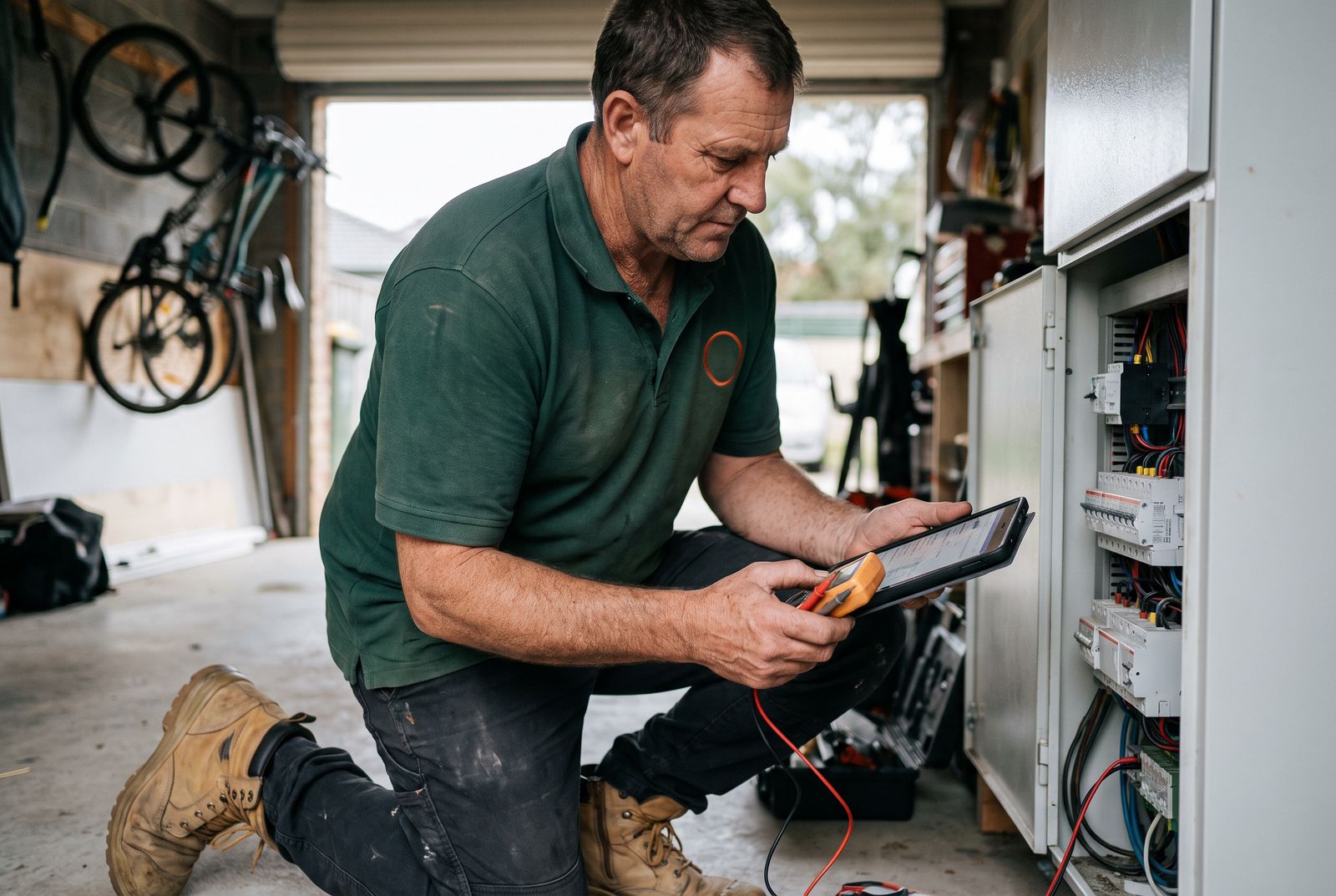 Electrical InspectionsElectrical safety inspections and pre-purchase checks with a written report, covering the switchboard, wiring, RCDs and earthing.
Read Next
Wood Burner Expiring? Switching to Electric Heating in Christchurch
In the Christchurch Clean Air Zone, Environment Canterbury treats a low-emission wood burner as non-compliant 20 years a...
Read article
Power Out in Christchurch? Orion, MainPower and What to Check First
First check whether the outage is on the network or inside your home. Look at your switchboard for a tripped main switch...
Read article
Buying an Earthquake-Repaired House in Christchurch: Electrical Checks
Get an independent electrical inspection before you buy. Over 67,000 homes were repaired under the Canterbury Home Repai...
Read article