

Christchurch is a reasonable place for solar. It is dry by New Zealand standards, at about 618 mm of rain a year at the airport, and summer nor'west days are hot and dry. The harder question is what to do with the power once the panels make it, because most homes are empty in the middle of the day and busiest on frosty evenings.
That is where a battery comes in. This guide covers what batteries cost, how Orion's and MainPower's export rules affect the decision, what a battery does in a power cut, and how to size one without overspending.
How much does a home solar battery cost in NZ?
Consumer NZ's solar guide, updated in March 2026, gives the clearest independent starting point. It says systems start from about $8,500 for a 3 kW array of around seven panels, and that adding a small battery to a system that size costs about $5,000.
Bigger batteries cost more, and the final price also depends on whether you need a new hybrid inverter, extra switchboard space and a backup circuit. Those three items often matter as much as the battery itself. Treat any figure here as a reference point, not a quote, and ask for each item to be priced separately so you can compare like with like.
| Item | Published figure | Source |
|---|---|---|
| 3 kW solar system, about 7 panels | From about $8,500 | Consumer NZ, March 2026 |
| Small battery for a 3 kW system | About $5,000 | Consumer NZ, March 2026 |
| Typical 5 kW set-up, yearly savings | $1,000 to $1,500 | Consumer NZ, March 2026 |
| Payback, panels | 7 to 10 years | Consumer NZ, March 2026 |
| Effect of adding a battery | Usually lengthens payback | Consumer NZ, March 2026 |
Does a battery make sense with a 5 kW export limit?
It makes more sense here than in many places. Orion's March 2025 connection guide caps export on a single phase supply at 5 kW, so on a bright afternoon any surplus above that cannot leave the property. A battery stores that surplus instead of the inverter throttling the panels back.
The second reason is price. Powerswitch notes that each retailer sets its own buy-back rate and that rates vary between retailers. Put your retailer's buy-back rate next to the price per unit on your power bill. Wherever the buy-back rate is the lower of the two, storing a unit and using it at 6pm beats selling it at 2pm.
Where a battery makes less sense is a home that already uses most of its solar during the day, for example someone working from home in Halswell who runs the dishwasher, washing machine and heat pump while the sun is up. Shifting those loads costs nothing. Our solar installation team looks at your usage before suggesting a battery at all.
Will a battery keep the power on in an outage?
Only if it is installed to do that. A standard grid-connected inverter built to AS/NZS 4777, the standard Orion and MainPower require, shuts down when the network goes down so it cannot feed power onto lines that crews may be working on. Panels on their own give you nothing in a power cut.
A battery keeps lights and the fridge going only when the system includes a backup or essential loads circuit that separates part of the house from the network during an outage. Consumer NZ notes that a battery can still make sense purely as a source of electricity during a power cut, which is a fair reason in a city that gets frosts, snow and the occasional storm-force nor'wester.
Backup circuits are usually smaller than the whole house. Lights, the fridge, the router and a few sockets are common choices; ovens, heat pumps and hot water cylinders usually are not. That work happens at the switchboard, so a switchboard upgrade is sometimes part of the job on older homes.
Not sure a battery adds up?
Cheeky's Electrical can look at your usage, your switchboard and your network's export rules, then tell you plainly whether a battery is worth it for your home.
What size battery does a Christchurch home need?
Size it to your evening and overnight use, not to the panels. Ask your retailer for your usage data and look at how many units you use between late afternoon and the next morning on an ordinary day. A battery much bigger than that sits partly empty most nights.
Winter changes the picture. Christchurch has about 80 ground frost days a year, so evening heating loads climb just as the days shorten and the panels produce less. In June and July a modest array may not fill even a small battery. In summer the opposite happens, and the export limit is more likely to bite.
Suburb matters a little too. A new home in Rolleston or Wigram usually has a modern board with spare ways for an inverter and battery. A 1960s house in Halswell's Oaklands streets may need board work first. Homes near the sea in Sumner or New Brighton need the outdoor gear rated for salt spray if anything is mounted outside.
Can a battery be added to existing solar?
Yes, and Consumer NZ says it is common to start without one and add it later once you know your patterns. How easy that is depends on the inverter you already have.
A hybrid inverter can often take a battery directly. A standard string inverter usually needs an AC coupled battery with its own inverter, which costs more but leaves the existing system alone. Either way, the change has to be notified to your lines company, the inverter must comply with AS/NZS 4777, and the export limit on your Certificate of Compliance may need updating.
- Check the make and model of your current inverter and whether it is hybrid.
- Check how much space is left in your switchboard.
- Decide whether you want backup in an outage, because it changes the wiring.
- Confirm your network: Orion for the city, Selwyn and Banks Peninsula; MainPower north of the Waimakariri.
How does MainPower compare in Rangiora, Kaiapoi and Pegasus?
North of the Waimakariri River the rules are looser. MainPower approves up to 10 kW single phase with a default export limit of 10 kW for small customers, lower in constrained parts of the network, and from 1 October 2026 it charges no application fee for systems under 10 kW.
With more room to export, a Pegasus or Rangiora household loses less to throttling, so the case for a battery rests more heavily on evening use and outage backup. Our page on solar installation in Pegasus covers the local detail.
Should a battery be planned alongside an EV charger?
If an EV is on the horizon, plan the two together. A car that charges during the day can soak up solar surplus more cheaply than a battery can, and some households find that an EV takes the place of the home battery they thought they needed.
Both add load to the switchboard and the supply, so Cheeky's Electrical checks capacity once and designs the circuits for both rather than doing the board twice. Read more about EV charger installation if a car is part of the plan.
Frequently Asked Questions
Do I need consent for a home battery?
A battery installed with a solar system is electrical work that must be done by a licensed electrician and certified with a Certificate of Compliance. Your lines company must approve the generation connection. Roof-mounted panels are usually exempt from building consent if the array is up to 40 square metres and the wind zone is no higher than High, and larger arrays or higher zones can be exempt with a Chartered Professional Engineer's design or review. Ask your installer, and check with your council if you are unsure.
Where should a battery be installed?
Usually in a garage or on a sheltered outside wall, following the manufacturer's installation instructions for clearances and ventilation. Spots in direct afternoon sun or exposed to salt spray are best avoided, and your installer will check the location against the rules that apply to home batteries.
Does a battery stop me getting buy-back payments?
No. Once the battery is full, surplus solar still exports up to your limit. You simply export less because more is stored for your own use.
Can a battery charge from the grid at night?
Some systems can charge on cheaper overnight rates and discharge at peak times. Whether that saves money depends on your retailer's plan, so check the price gap before relying on it.
How long do home batteries last?
Manufacturers give warranties in years and in total energy throughput. Read both figures, because a battery that cycles fully every day uses up its throughput faster.
Our Services
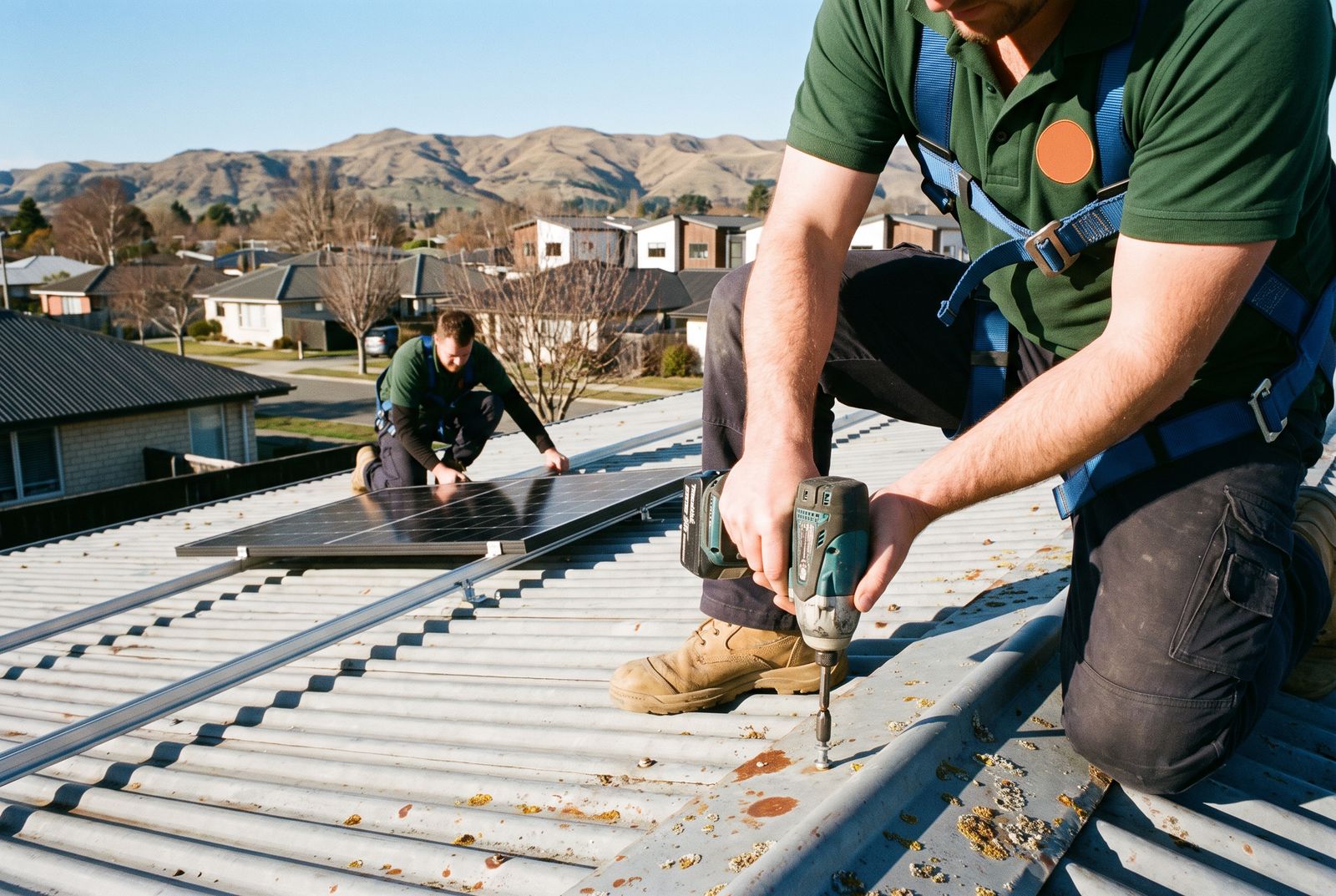 Solar InstallationSolar panel systems and home batteries sized to your power use, installed and connected by licensed electricians.
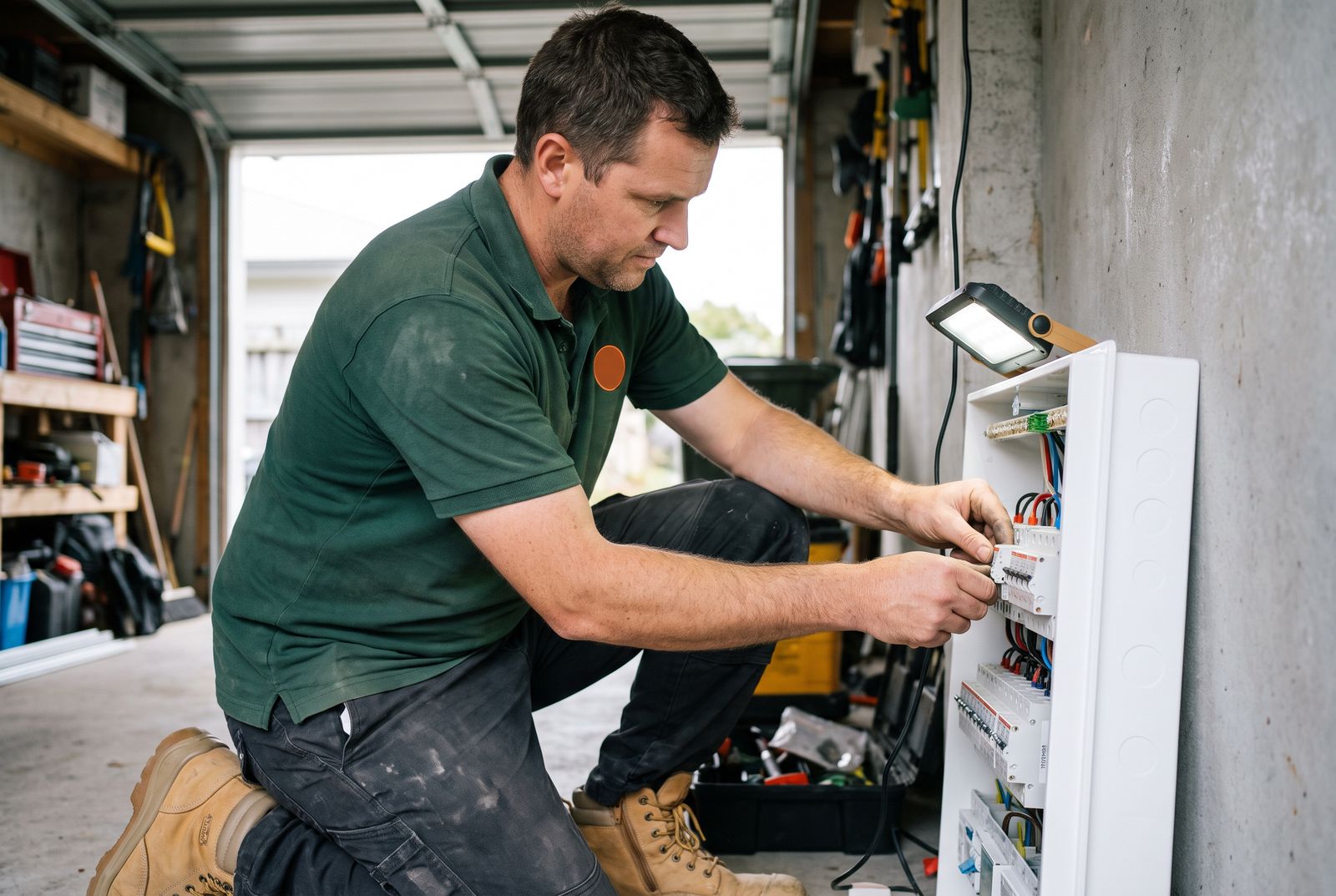 Switchboard UpgradesOld fuse boards replaced with a modern switchboard, circuit breakers and RCD protection, inspected and certified.
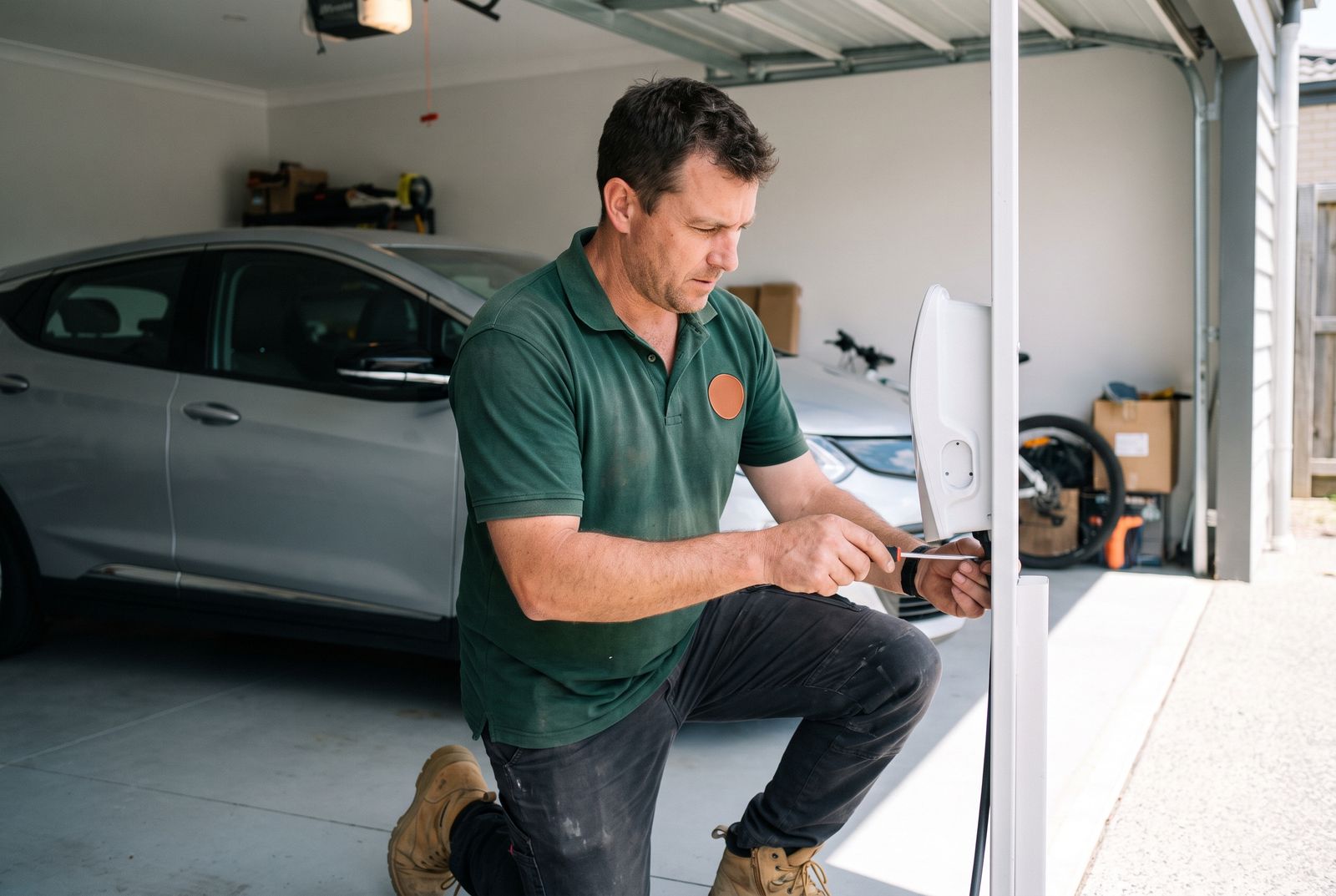 EV Charger InstallationHome EV chargers installed on a dedicated, properly protected circuit, with a switchboard check and certificate.
Read Next
Orion Solar Export Limits: The 5 kW Rule Explained
On Orion's network, a home with single phase power can export up to 5 kW of solar. Two phase supplies can export up to 1...
Read article
Power Out in Christchurch? Orion, MainPower and What to Check First
First check whether the outage is on the network or inside your home. Look at your switchboard for a tripped main switch...
Read article
Electric Underfloor Heating in Christchurch: Cost to Install and Run
Mitre 10 lists electric underfloor heating at about 150 to 200 watts per square metre, so a 5 square metre bathroom floo...
Read article