A tiled bathroom floor in a Christchurch July is cold underfoot, and with about 80 ground frost days a year that chill lasts for months. Electric underfloor heating changes how the room feels in a way a wall heater cannot, which is why it is so often added when a bathroom is renovated.
This guide works through what underfloor heating costs to run, how to estimate it for your own floor, where it earns its keep, and the electrical side: circuits, thermostats, RCD protection and why it is best planned before the tiles go down.
How much does electric underfloor heating cost to run?
Running cost is the heated area times the mat's rating, times the hours it is on, times your price per kWh. Mitre 10 lists electric underfloor heating at around 150 to 200 watts per square metre, and estimates $1 to $2 a day when it runs on a timer for two hours in the morning and evening at average New Zealand rates.
To work it out for your floor, use the heated area, not the room size. The mat stops short of the vanity, toilet, bath and shower base, so a bathroom with 8 square metres of floor may have only 4 or 5 square metres heated. Take the rating from the product label. A thermostat with a floor sensor switches the mat off once the floor reaches its setting, so real use is lower than the full-power figures below.
Multiply the kWh figure by the price on your power bill for the cost at full power. Check your plan too, because some retailers charge more at busy times of day, and Orion's peaks fall on cold winter mornings and evenings, which is exactly when a bathroom floor is warmed.
| Heated floor area | Load at 150 W per m2 | Load at 200 W per m2 | kWh over 4 hours at 150 W per m2 |
|---|---|---|---|
| 3 m2 (small ensuite) | 0.45 kW | 0.6 kW | 1.8 kWh |
| 5 m2 (family bathroom) | 0.75 kW | 1 kW | 3 kWh |
| 8 m2 (large bathroom) | 1.2 kW | 1.6 kW | 4.8 kWh |
| 12 m2 (kitchen or laundry floor) | 1.8 kW | 2.4 kW | 7.2 kWh |
Is underfloor heating worth it in a bathroom?
In a small tiled bathroom used every morning, it is worth it for most people: it warms the floor and takes the chill off the room for a modest daily cost. It is less worthwhile as the main heat for a large or poorly insulated room, where it costs more to run than a heat pump doing the same job.
Warm tiles also help a bathroom dry out faster after showers, because condensation does not sit on a warm floor for as long. Underfloor heating does not replace an extractor fan, though. The fan is what removes moist air from the house, and the two work well together on the same renovation.
If the room already has a heated towel rail on a timer, underfloor heating adds comfort rather than drying power, so weigh up which matters more to you before spending on both.
Can underfloor heating go under existing tiles?
Not without lifting them. Tile mats are laid in or under the tile adhesive, so they go in when the floor is being retiled. Over existing tiles, the choices are to tile over the top where floor heights allow, or to use a different heat source for that room.
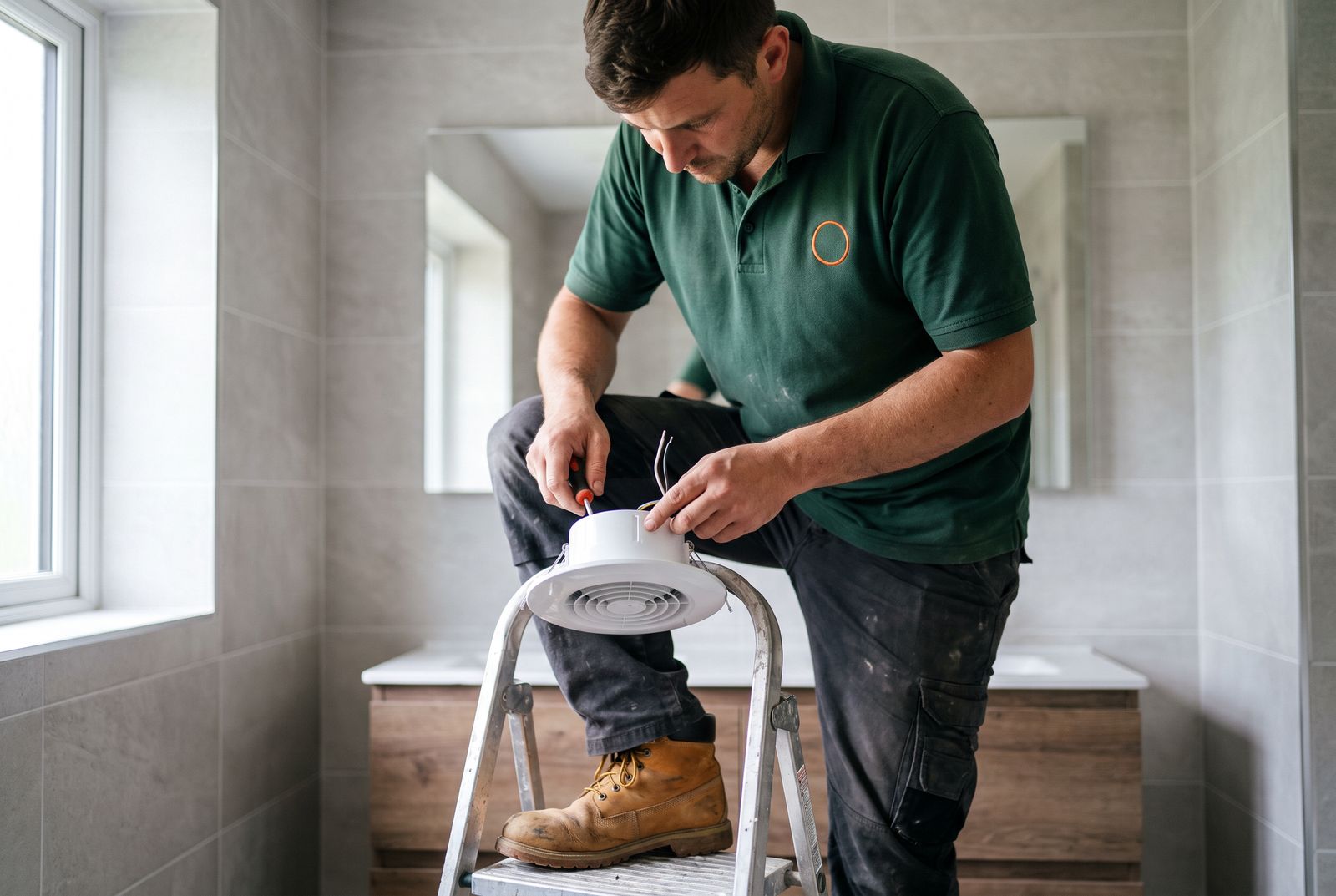
When you are renovating, the electrician runs the cold tail and the floor sensor to the thermostat position before the tiler starts. The mat and sensor should be tested before tiling and again after, because a damaged heating cable under a finished floor is costly to reach.
Under timber, laminate or vinyl, there are heating films and cables made for those floors, but they are not interchangeable with tile mats. Check that the product is rated for your floor covering before you buy it.
Renovating a bathroom this winter?
Cheeky's Electrical installs the circuit, thermostat and floor sensor for underfloor heating and tests the mat before and after tiling.
Does it need its own circuit?
Usually, yes. Mitre 10 notes that electric mats need a dedicated thermostat circuit and must be connected to the mains by a registered electrician. The mat, thermostat and circuit are fixed wiring, so you should receive a Certificate of Compliance for the work.
In a bathroom the electrician also has to follow the zone rules in AS/NZS 3000 for where switches, thermostats and outlets can go near the bath and shower, and make sure the circuit has RCD protection. A thermostat with a floor probe keeps the tiles and cable from overheating.
Older Christchurch homes may not have room on the board for another circuit. Older homes in Fendalton and Beckenham, where many houses are decades old, may need a spare way on the switchboard created before the bathroom circuit can go in, and the bathroom wiring itself may be due for attention while the walls are open.
Underfloor heating or a heat pump: which heats better?
For heating a whole room or house cheaply, a heat pump wins; for warm feet in a bathroom, underfloor heating wins. Electric underfloor heating turns each kWh into about one unit of heat, like any plug-in heater, while Consumer NZ says a heat pump is about three times more efficient than an electric plug-in heater.
That makes electric underfloor heating a comfort upgrade rather than a cheap main heat source in most Christchurch homes. Where it is used as the main heating, the floor needs good insulation underneath, or a large share of the heat goes down into the slab or subfloor instead of up into the room.
- Bathroom or ensuite: underfloor heating on a timer, with an extractor fan for moisture.
- Open-plan living area: a heat pump, with underfloor heating only if the slab is insulated and you are tiling anyway.
- Bedrooms: a heat pump or a thermostat-controlled panel heater; heating cable under carpet is seldom worth it.
- Kitchen: underfloor heating suits a tiled kitchen floor if you stand there for long periods, but it will not heat the living space beyond.
What affects the cost to install underfloor heating?
The installed price depends mostly on the heated area, whether the floor is being retiled anyway, the thermostat you choose and how far the switchboard is from the room. We have not quoted a figure here because the electrical share varies widely between a new build and a retrofit.
- Mat size and brand, usually priced by the square metre of heated floor.
- Thermostat type: a simple dial, a programmable timer or a wifi model you can control from your phone.
- The new circuit: the cable run from the switchboard, plus any space needed on the board.
- Floor preparation and tiling, which is the tiler's cost rather than the electrician's.
- Insulation board under the mat on a concrete slab, which helps the floor warm up and keeps heat out of the slab.
What if my underfloor heating stops working?
Start with the thermostat. A blank screen, a schedule set wrong after a power cut, or a tripped breaker or RCD on the circuit are common reasons for a cold floor, and they are easy to check.
If the thermostat has power but the floor stays cold, the heating cable or the floor sensor may be faulty. An electrician can test the cable's resistance and insulation at the thermostat without lifting any tiles, which shows whether the problem is in the floor or the controls. Book fault finding on underfloor heating before you start pulling up tiles.
Cheeky's Electrical can look at your floor plans, switchboard and thermostat options before the tiles go down, and test the mat with your tiler at each stage. Book online with your renovation dates.
The short answer: electric underfloor heating draws roughly 150 to 200 watts per square metre while it heats, works best as a bathroom comfort upgrade on a timer, and needs its own thermostat circuit installed before tiling.
Frequently Asked Questions
Can I leave underfloor heating on all the time?
You can, but it costs more than running it on a timer. A programmable thermostat that warms the floor before you wake and again in the evening gives most of the comfort for a fraction of the hours. Set a sensible floor temperature rather than turning it up to the maximum.
Is electric underfloor heating safe in a wet area?
Yes, when the product is rated for bathrooms and installed to the wiring rules, with RCD protection and the thermostat placed outside the restricted zones near the bath and shower. The heating cable sits sealed under the tiles, and most bathroom mats include an earthed screen or braid around the heating wire.
Can I install an underfloor heating mat myself?
Mitre 10 says all underfloor heating must be installed by a registered electrician or plumber, and connected to the mains by a registered electrician. The electrician tests the mat, connects the thermostat and circuit, and issues a Certificate of Compliance, which you should keep with your house papers.
Will underfloor heating raise my floor height?
Tile mats are thin and sit within the adhesive bed, so the change is small. Insulation boards under the mat add more height, which matters at doorways and level-entry shower thresholds. Your tiler can confirm the finished floor height before you order the mat.
Does underfloor heating work well with solar?
It can. With solar panels, setting the thermostat to warm the floor in the middle of the day uses power you generate yourself. In a bathroom used mainly morning and evening, though, most of the heating will still come from the grid, so a timer remains the main saving.
Our Services
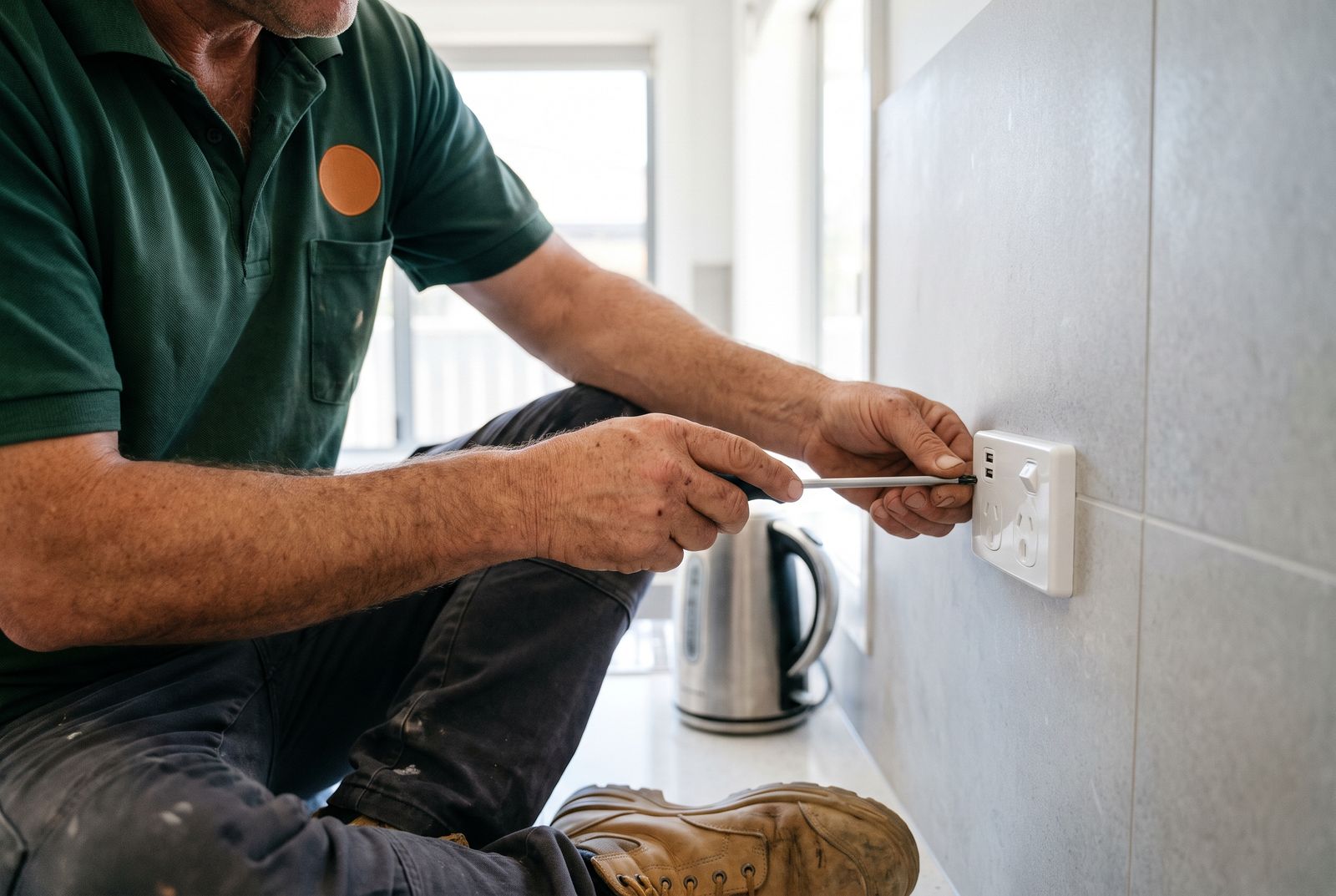 Power PointsExtra power points, USB sockets, outdoor weatherproof outlets and new circuits for heat pumps, spa pools and workshops.
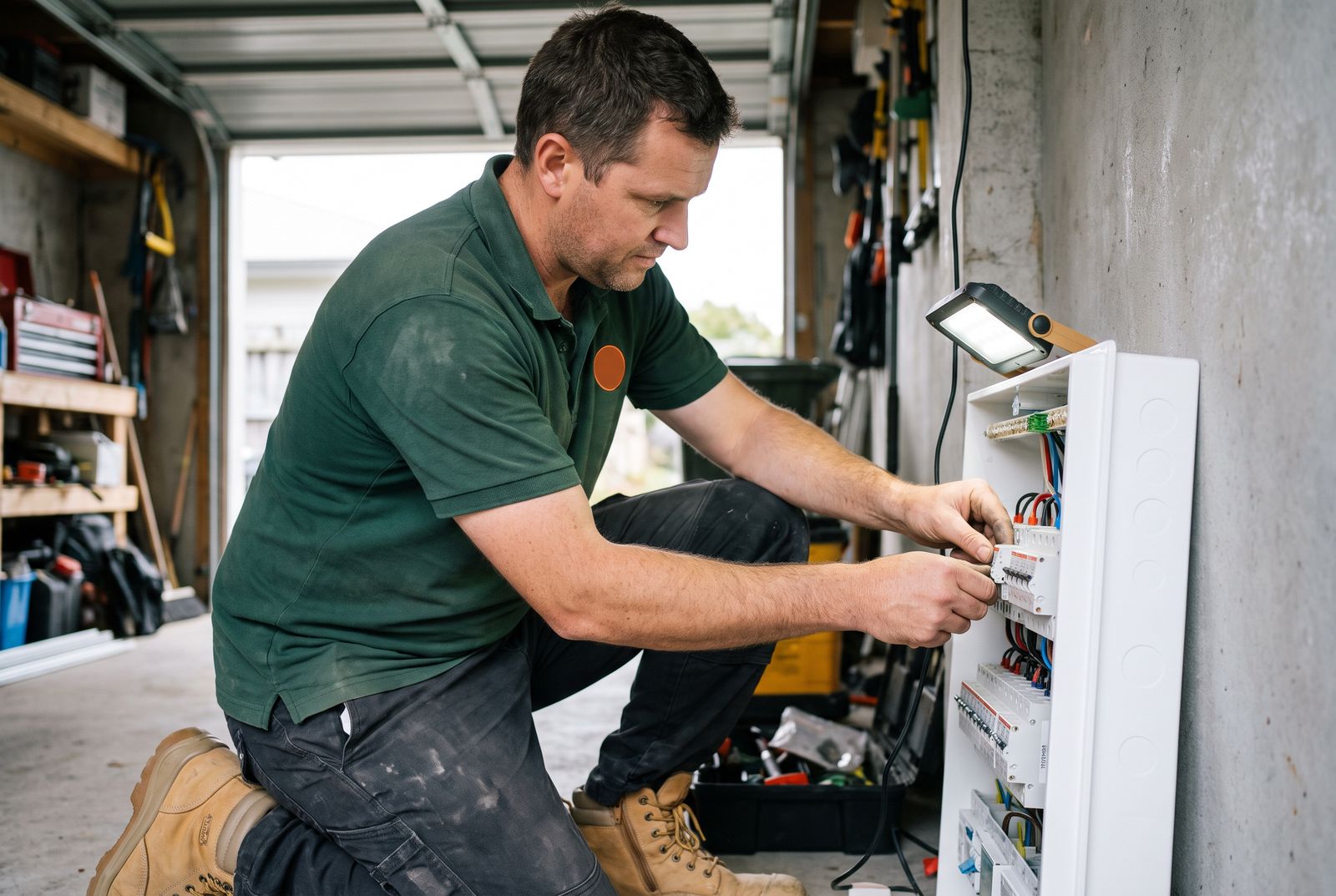 Switchboard UpgradesOld fuse boards replaced with a modern switchboard, circuit breakers and RCD protection, inspected and certified.
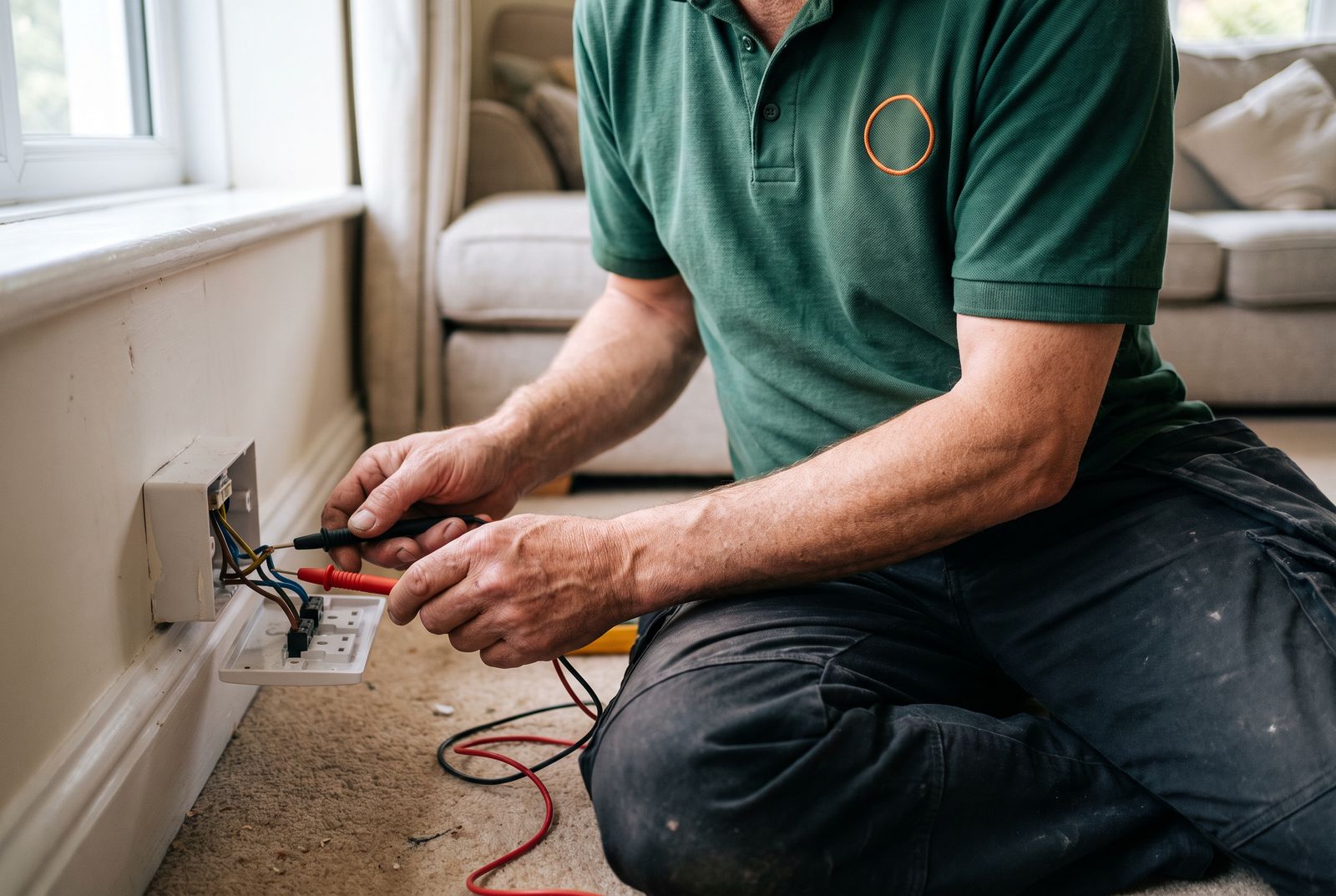 Electrical RepairsTripping RCDs, dead power points, flickering lights and faulty switches traced to the cause and repaired, not just reset.
Read Next
Heated Towel Rail Running Costs for Cold Christchurch Bathrooms
A heated towel rail costs its wattage times the hours it runs times your price per unit. MBIE's May 2026 survey puts the...
Read article
Cheapest Electric Heater to Run in a Christchurch Winter
For the same amount of heat, a heat pump is the cheapest electric heater to run, because Consumer NZ says it is about th...
Read article
Going All-Electric in Christchurch: Can Your Switchboard Handle It?
Most modern switchboards can take a heat pump, an EV charger and an induction cooktop, but an older board or a smaller s...
Read article