There is no natural gas network in the South Island, so Canterbury homes are either all-electric already or use LPG from bottles, a bulk tank or a piped LPG street network. For many households the next steps are dropping LPG for induction cooking, replacing an ageing wood burner with a heat pump and putting an EV charger in the garage. Each is simple on its own. Together they can ask a lot of an older switchboard.
This guide is about capacity planning: what each appliance asks of your board, how load management lets them share one supply, when Orion has to approve more, whether you need three-phase power, and the order to do the work in.
Can my switchboard handle a heat pump, EV charger and induction cooktop?
Often yes, if the board has spare ways, the right RCD protection and a supply with headroom. Each of these appliances normally gets its own circuit, so the first check is physical: is there room on the board for the new breakers and protection? The second is electrical: can the incoming supply carry them all on a cold evening alongside everything else in the house?
An EV charger is the biggest steady load, drawing close to its full rating for hours. WorkSafe guidance says a home charger needs its own dedicated circuit protected by a Type B RCD, or a Type A RCD with an RDC-DD, starting from a MEN switchboard. An induction cooktop draws heavily in short bursts while you cook. A heat pump runs for long stretches on frosty days. The overlap comes on a winter weeknight evening, which is also when Orion's network is at its busiest.
No single number fits every house. The electrician works out the maximum demand for your home from the actual appliances and their ratings, using the wiring rules in AS/NZS 3000, and compares it with the supply you have.
| Appliance | Usual circuit | When it draws most | Common board issue |
|---|---|---|---|
| Heat pump (space heating) | Its own circuit | Frosty mornings and evenings | No spare way on an old fuse board |
| EV charger | Dedicated circuit with Type B RCD, or Type A RCD plus RDC-DD | Whenever the car is plugged in, often overnight | Board lacks the right RCD protection |
| Induction cooktop | Dedicated cooking circuit | Dinner time, in short bursts | Existing cable too small for the new cooktop |
| Hot water cylinder | Its own circuit, often on a controlled rate | Overnight and after showers | Relay and labels unclear on older boards |
What is load management?
Load management means letting appliances share the supply by controlling when the big ones run, so the total never goes past what your connection can carry. It is often a cheaper answer than upgrading the supply itself.
The most common example is a smart EV charger that measures the whole-house load and turns its charging rate down while the oven and heat pump are running, then back up later in the evening. Hot water cylinders on ripple control are another kind, run by Orion rather than by you. Timers on the cylinder, dishwasher and washing machine do the same job by hand.
Load management works best when it is planned with the switchboard work, because the current sensor sits at the board and the charger has to be set to the limit of your supply.
When does Orion need to approve more capacity?
Orion needs to be involved when you want a bigger supply than the property has now, such as more capacity or three-phase power, and for new connections. Adding circuits inside your existing supply does not involve Orion; increasing the supply does.
For new connections, Orion confirms capacity in writing, the electrician provides a Certificate of Compliance and an Orion authorised livening agent connects the property. A supply upgrade is arranged through your power retailer and the lines company, so find out early whether your plans need one. North of the Waimakariri River, in Rangiora, Kaiapoi and Pegasus, the lines company is MainPower rather than Orion.
Rolleston and Lincoln are on Orion's network, and much of Rolleston has been built in the last two decades. Homes in Rolleston are more likely to have a modern board, but a three-phase supply is not a given, so check before ordering a 22 kW charger.
Planning to go all-electric?
Cheeky's Electrical checks your switchboard and supply against every appliance on your list and prices each stage, so nothing has to be redone later.
Single-phase or three-phase: which do I need?
Most homes are single-phase, and that is usually enough for a heat pump, an induction cooktop and a single-phase EV charger of up to 7 kW, with sensible load management. Three-phase is worth considering for large homes, workshops with heavy machinery, or owners who want faster EV charging and can get the supply.
Three-phase spreads the load across three supply phases, so a 22 kW charger, a large heat pump system and a workshop can all run without overloading one. The cost sits in the supply upgrade, the meter and a three-phase board. If three-phase is not already available in your street, the lines company work can be the largest part of the price, so ask for that to be checked first.
What is involved in swapping LPG cooking for induction?
Swapping LPG for induction is a two-trade job: a gasfitter disconnects and caps the LPG supply, and an electrician installs a cooking circuit sized for the new cooktop. If there is already an electric oven circuit it may be possible to share it, but many induction cooktops need their own circuit and a larger cable.
Consumer NZ rates induction cooktops at about 80 to 90 percent efficient, against 70 to 80 percent for standard electric resistance cooktops, and says induction is comparable to gas for speed and temperature control. It also points out that going fully electric lets you stop paying a fixed or subscription gas cost, which for LPG can mean bottle rental or tank charges.
Cheeky's Electrical handles the electrical side of induction cooktop installation and can fit the work around your gasfitter's visit.
- Check the cooktop's rated load and the cable size back to the board.
- Confirm there is a spare way and RCD protection on the switchboard.
- Book a gasfitter to disconnect and cap the LPG supply.
- Install the circuit, connect and test the cooktop, and receive a Certificate of Compliance.
- Check your pans: induction needs cookware a magnet will stick to.
When is a switchboard upgrade the right answer?
When the board has no spare ways, still uses rewireable fuses, lacks RCD protection or shows heat damage, an upgrade is usually the safest base for going all-electric. Squeezing three new circuits onto an old fuse board is rarely a sensible patch.
Christchurch has plenty of older boards. In Merivale, restored cottages and older villas sit beside newer townhouses, and in Beckenham many original homes date from the 1900s to the 1950s. Earthquake repairs mean some houses have fresh linings and paint but an original board, so judge the board itself, not the age of the decor. Older villas in Merivale are a good example of where to look closely.
A planned switchboard upgrade sizes the new board for the circuits you expect to add over the coming years, not just this year's job, so the EV charger or solar inverter later on has a place to go.
What order should the work be done in?
Plan everything at once and install in stages. One visit can map the board, check the supply and work out maximum demand for every appliance on your list, so each job fits the next instead of being redone.
- First, a switchboard and supply check, including maximum demand.
- Second, the switchboard upgrade or extension if it is needed.
- Third, the heat pump circuit before winter. In the Christchurch Clean Air Zone, sections under 2 hectares can only install ultra-low emission burners, so an expiring burner cannot simply be swapped for another low-emission one.
- Fourth, the induction cooktop circuit when the LPG is due to be disconnected.
- Fifth, the EV charger with load management set to your supply.
How do I get started?
Start with one assessment that covers the whole plan. Cheeky's Electrical gives you a written price for each stage, so you can spread the cost over time and still end up with a board that fits everything. Book online and list the appliances you are thinking about.
The short answer: most switchboards can be made to handle an all-electric home, either with load management on the supply you have or with an upgrade. The key is checking maximum demand before you buy the appliances, not after.
Frequently Asked Questions
What is the difference between a fuse box and a switchboard?
Fuse box is the everyday name for an older switchboard with rewireable or cartridge fuses. A modern switchboard uses circuit breakers and RCDs, which disconnect faster on faults and earth leakage and are simple to reset. If your board still has fuses, it is a likely candidate for an upgrade before you add big loads.
Can I keep LPG hot water and go electric for everything else?
Yes. Keeping LPG hot water avoids adding another large electric load, though you keep paying the bottle or tank costs. If you later switch to an electric cylinder or a hot water heat pump, plan its circuit along with any other switchboard work so it only needs doing once.
Does going all-electric need building consent?
Electrical work is certified with a Certificate of Compliance from the electrician rather than a building consent. Some related work can need consent, such as structural changes or installing a new solid fuel burner. Your electrician will tell you if any part of the plan involves the council.
Will my power bill go up if I stop using LPG?
Your electricity use goes up, but you stop buying LPG and paying bottle or tank charges. Consumer NZ's 2024 analysis found that swapping gas heating for a heat pump saves money over 15 years on average. Your own result depends on your prices and use, so compare a year of gas and power bills first.
Do I need to tell my retailer about new appliances?
Not for new circuits within your existing supply. You do need the retailer for a supply upgrade, a change to three-phase, a new meter or a change to how your hot water is controlled, because those involve the metering and the lines company.
Our Services
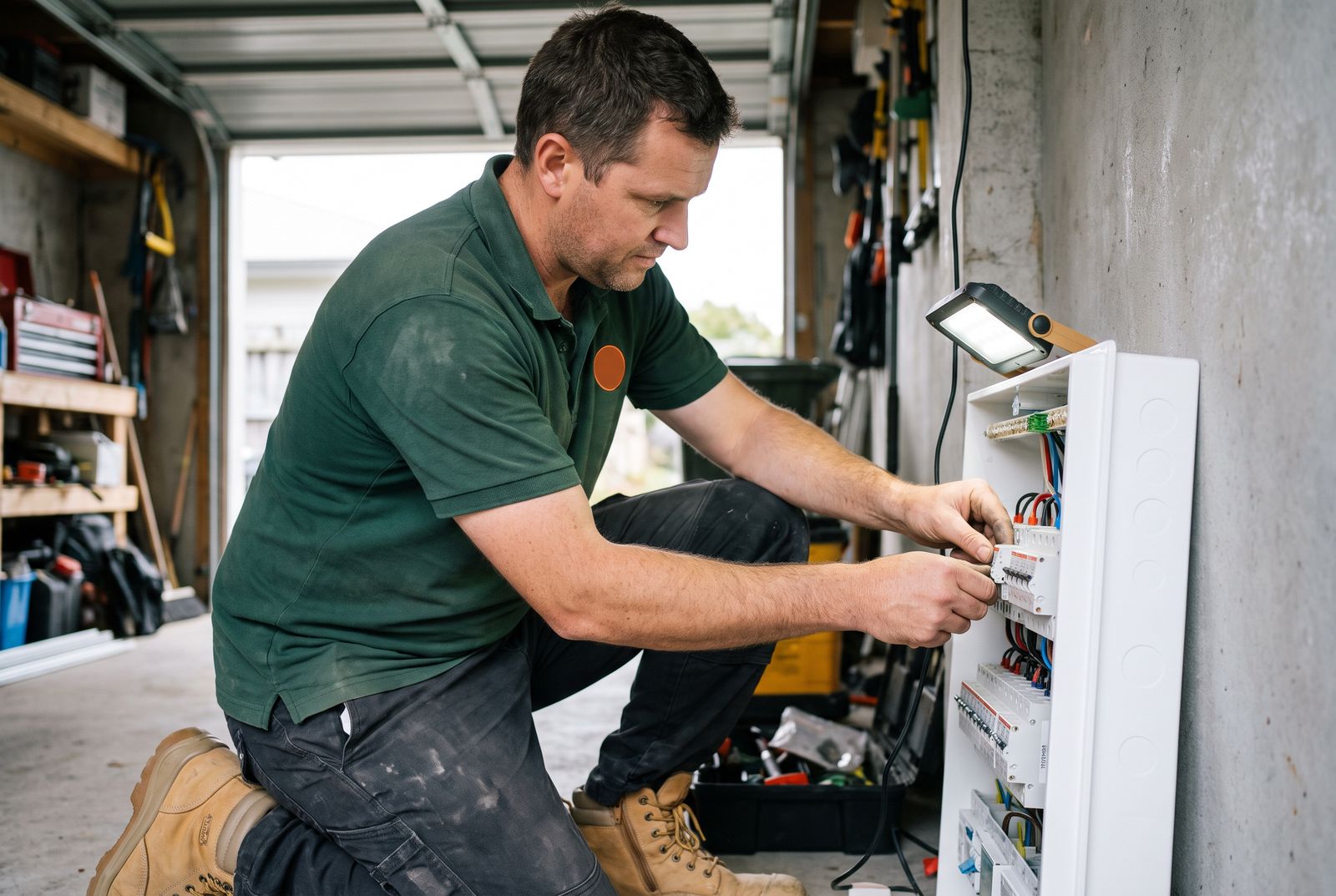 Switchboard UpgradesOld fuse boards replaced with a modern switchboard, circuit breakers and RCD protection, inspected and certified.
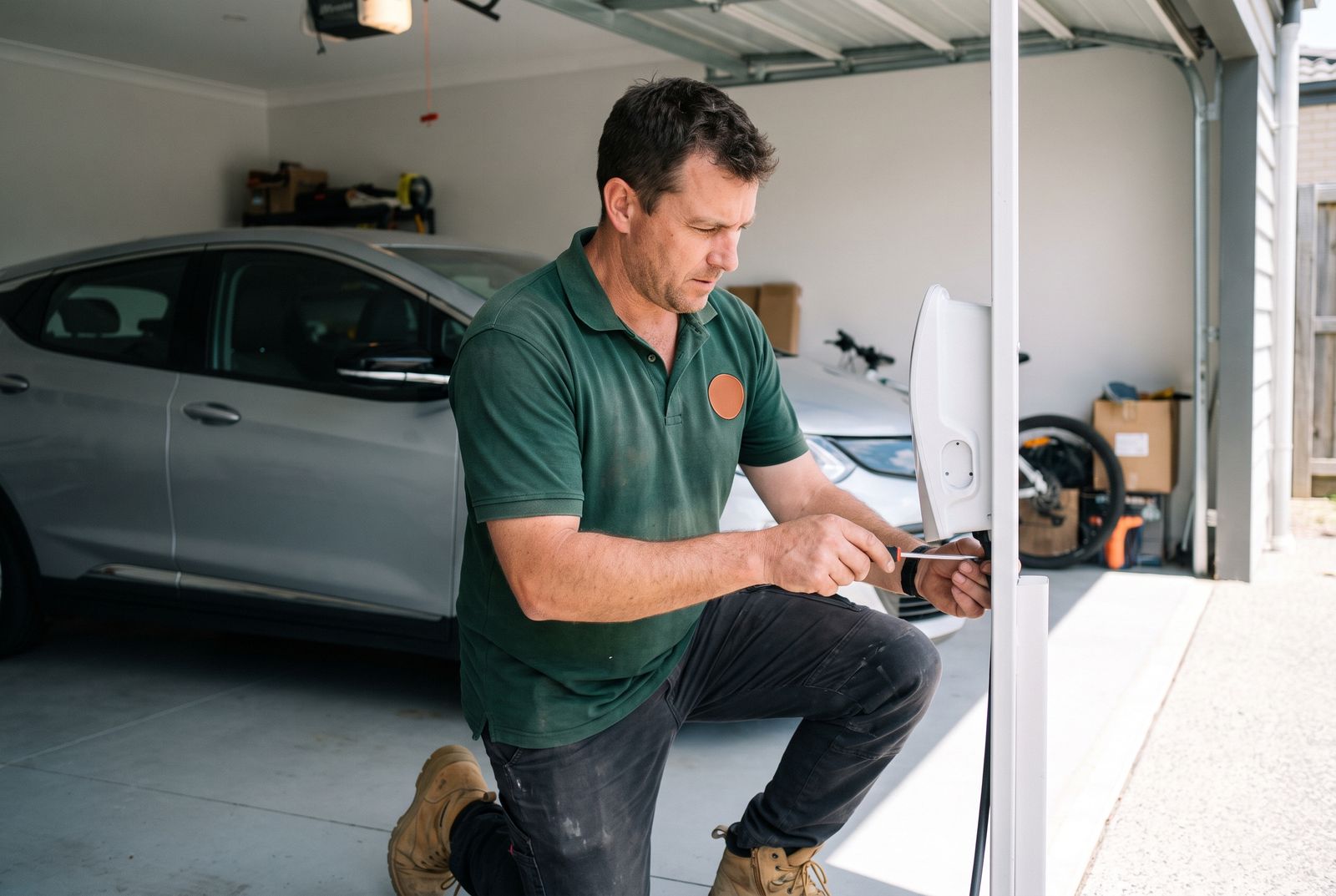 EV Charger InstallationHome EV chargers installed on a dedicated, properly protected circuit, with a switchboard check and certificate.
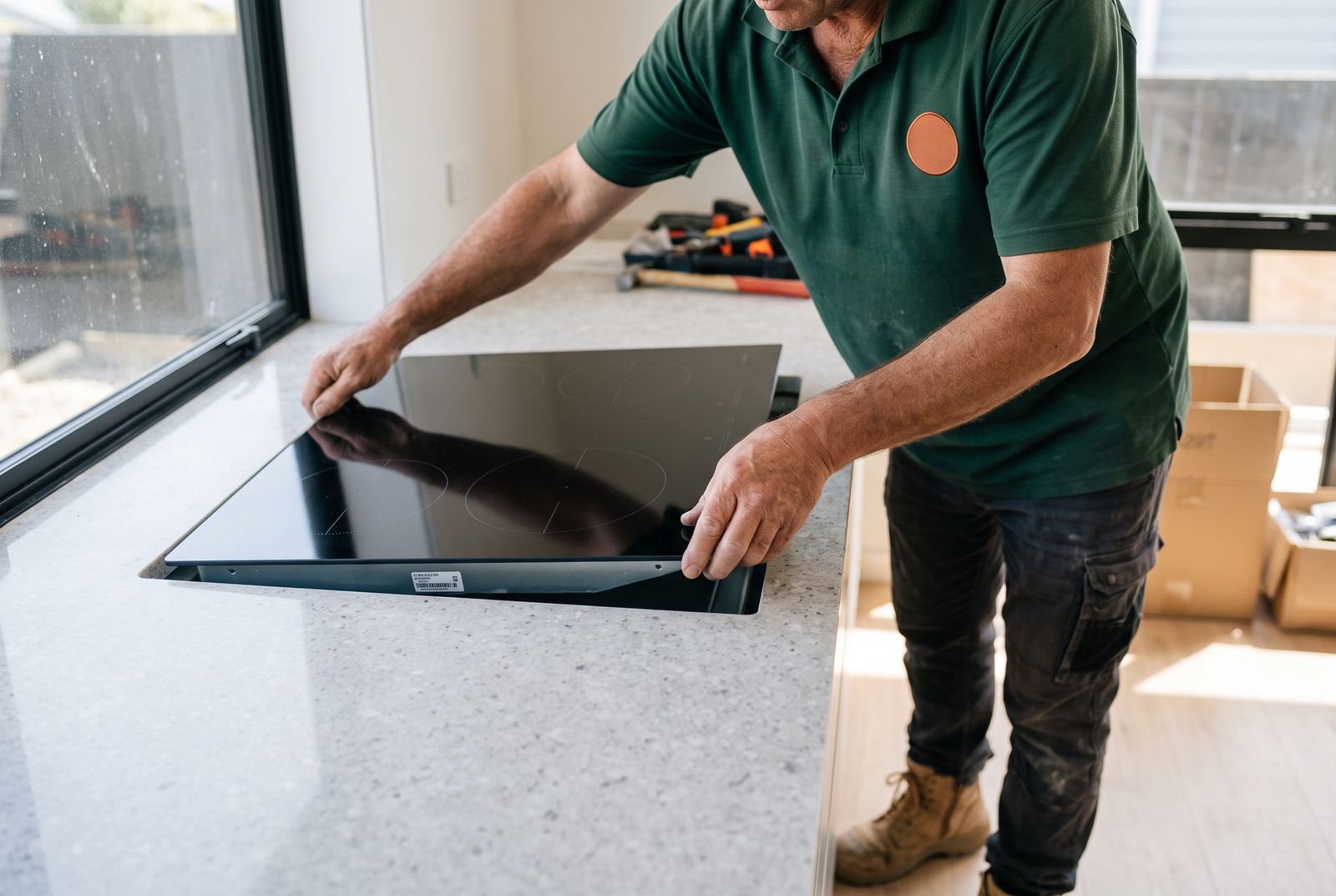 Oven and Cooktop InstallationOvens, induction cooktops and new kitchen circuits connected safely, including upgrades from gas or older electric hobs.
Read Next
Cheapest Electric Heater to Run in a Christchurch Winter
For the same amount of heat, a heat pump is the cheapest electric heater to run, because Consumer NZ says it is about th...
Read article
Ripple Control and Controlled Hot Water on the Orion Network
Ripple control is a signal Orion sends through the power lines to switch hot water cylinders off for short periods when ...
Read article
Wood Burner Expiring? Switching to Electric Heating in Christchurch
In the Christchurch Clean Air Zone, Environment Canterbury treats a low-emission wood burner as non-compliant 20 years a...
Read article