Christchurch bathrooms get cold. The city averages about 80 ground frost days a year, and a bathroom on the south side of an older house can feel like the coldest room in the place on a July morning. A warm, dry towel is a small comfort that a lot of people leave switched on all winter.
That habit is where the cost hides. This guide shows how to work out what your rail really costs, why a timer pays for itself, and the choices between plug-in and hard-wired rails.
How much does a heated towel rail cost to run?
Multiply the rail's wattage by the hours it runs, divide by 1,000 to get kWh, then multiply by your price per unit. The wattage is on the label or in the manual; the price per unit is on your power bill.
For a Christchurch reference price, Figure.NZ's chart of MBIE's Quarterly Survey of Domestic Electricity Prices gives about 38.5 cents per kWh for Christchurch in May 2026, made up of 14.62 cents for lines and 23.91 cents for energy. It is a modelled average for a household using about 8,000 kWh a year, so your own plan may differ. The table uses that figure and a 100 watt rail as a worked example, not a quote.
| 100 W rail, 38.5c per kWh | Units per day | Cost per day | Cost per 30 days |
|---|---|---|---|
| On 24 hours a day | 2.4 kWh | About 92 cents | About $27.70 |
| On 8 hours a day | 0.8 kWh | About 31 cents | About $9.25 |
| On 4 hours a day (timer) | 0.4 kWh | About 15 cents | About $4.60 |
| On 2 hours a day (timer) | 0.2 kWh | About 8 cents | About $2.30 |
Should a towel rail be on a timer?
Yes. The table shows that hours matter far more than the rail itself. Cutting from all day to four hours brings the monthly cost in the example from about $27.70 to about $4.60.
Set the timer to come on an hour or so before the morning showers and again in the early evening. That warms the rail when towels are wet and leaves it off overnight and through the working day.
Timing also helps the network. Orion describes very cold winter mornings and evenings as its rush hours, when demand peaks. A rail that switches off once towels are dry takes a little load off at the busiest times of the day.
Plug-in or hard-wired: which is better?
Hard-wired is tidier and safer in a wet room; plug-in is cheaper and easier to move. Both heat the same way.
A plug-in rail needs a socket close by, and a cord running across a bathroom wall is never ideal. The wiring rules set zones around baths and showers where only certain equipment can go, so where a socket can sit in a bathroom is limited.
A hard-wired rail is connected to a fixed outlet on the wall, often with its own switch or built-in timer outside the splash zone. That is work for a licensed electrician, who will test the circuit and issue a Certificate of Compliance. If there is no suitable circuit nearby, adding power points or a dedicated outlet is usually a short job.
Want your towel rail on a timer?
Cheeky's Electrical can hard-wire a towel rail, add a timer to the one you have, and check the bathroom circuit while we are there.
Can a towel rail help with bathroom damp?
A little, but it is not ventilation. A warm rail dries towels faster, so they do not sit wet and musty. It does not remove the steam from a shower; that needs an extractor fan ducted to the outside.
For rentals, the Healthy Homes ventilation standard requires an extractor fan in every room with a bath or shower. A towel rail does not count toward that. In owner-occupied homes the same logic holds: the fan moves moisture out, the rail keeps towels dry.
If your bathroom has black mould on the ceiling or a mirror that stays fogged long after a shower, sort the extractor fan first and treat the towel rail as a comfort upgrade. The two can even share a switch arrangement so the fan runs while the rail heats.
Can I add a towel rail without opening walls?
Often, yes. If there is a power point or a light circuit nearby, an electrician can usually run a short cable through the ceiling or wall cavity and fit the outlet without a big repair job.
Brick and solid plaster walls are harder. In Beckenham, where villas, brick homes and timber bungalows built between the 1900s and 1950s sit side by side, cable routes in brick houses have to be planned around solid walls. A surface-mounted cable cover or a rail on an internal timber wall is sometimes the neater answer.
New homes are easiest. Recent builds in Rolleston and Wigram usually have modern boards and plastic-sheathed wiring, and if you are still building, ask for the rail outlet to be pre-wired before the linings go on.
Is my wiring up to adding more heating in the bathroom?
Usually, because a towel rail is a small load. The bigger question is what else is on the same circuit when everyone is getting ready on a frosty morning: a fan heater, a hair dryer and the rail together can trip an older circuit.
In parts of Halswell, 1960s homes in the Oaklands streets often still have original boards with limited space and RCD protection. Our electrician in Halswell page explains what we check in those homes. If you already get trips on cold mornings, have the fault traced through our electrical repairs service before adding any new heating.
How do I pick the right rail for running cost?
Compare the wattage on the label and look for a built-in timer or thermostat. A rail with its own timer saves the cost of a separate switch, and a lower wattage rail costs less per hour, though it may take longer to dry a thick bath towel.
Cheeky's Electrical can fit a timer or switch to a rail you already own, or wire a new one in the right spot. Tell us the rail's wattage and where you want it when you get in touch, and we can confirm whether the existing circuit will cope.
- Check the wattage and work out the cost with your own power price.
- Choose a model with a timer, or budget for one.
- Keep the switch or timer outside the shower and bath zones.
- Fix the extractor fan first if the bathroom is damp.
Frequently Asked Questions
Is it safe to leave a heated towel rail on all the time?
Rails are designed to run for long periods, but leaving one on day and night costs far more than it needs to. A timer gives you warm towels when you need them and keeps the cost down.
Do oil-filled towel rails cost less to run than dry ones?
Running cost comes down to wattage and hours. Oil-filled rails hold heat a little longer after switching off, while dry element rails warm up faster. Compare the wattage on each label.
Can a towel rail heat the whole bathroom?
Not on its own. Most rails are low wattage and warm the towels and a small area around them. A cold bathroom usually needs a separate heater or better insulation.
Can I put a towel rail on the same switch as the bathroom heater?
It can be done, but a separate timer is usually better, because you want the rail warm before the shower and the heater only while the room is in use.
Will a towel rail work in a power cut?
No. Like any electric heater it stops when the power goes off. Check your board before reporting an outage, as a tripped circuit can look like a cut.
Our Services
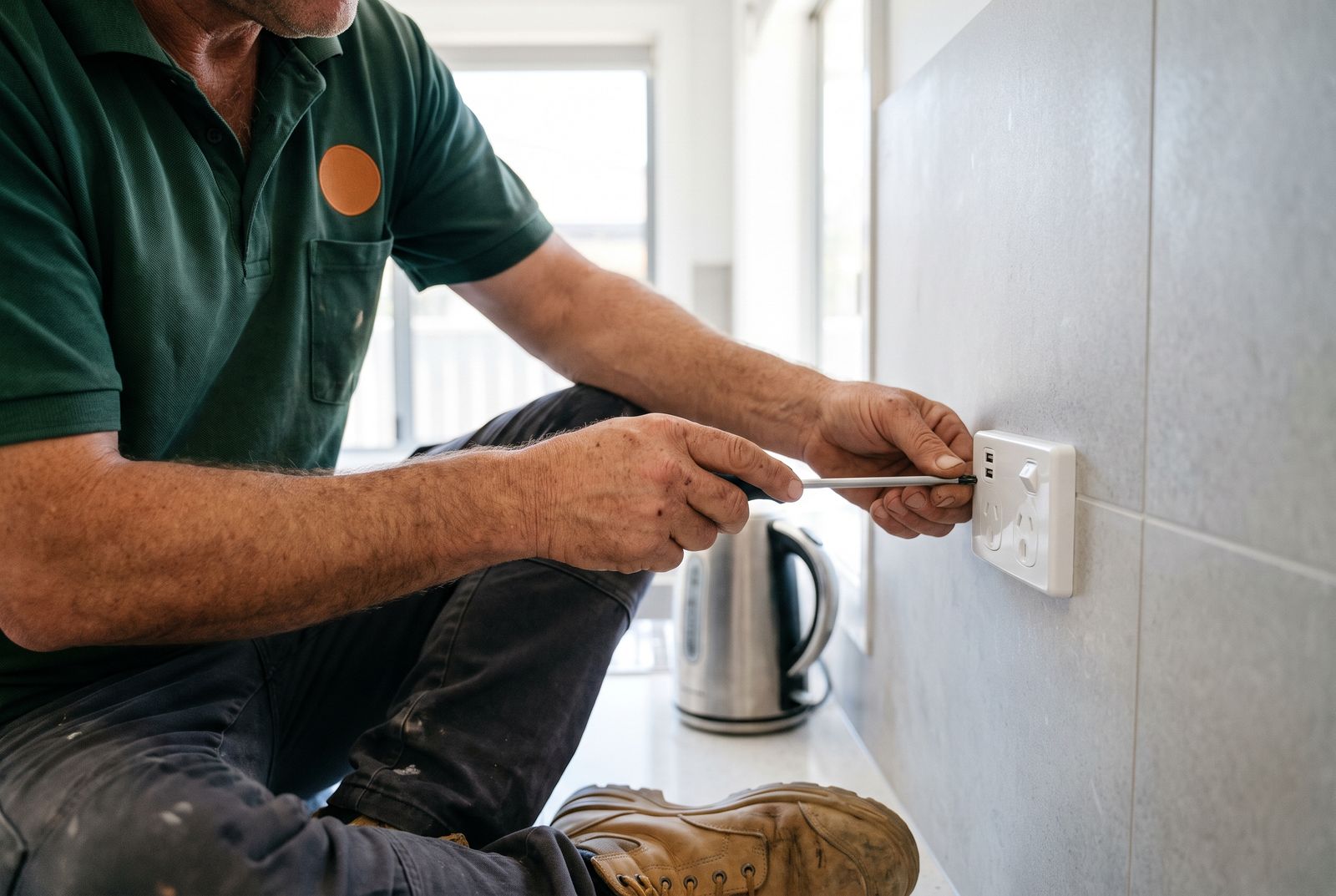 Power PointsExtra power points, USB sockets, outdoor weatherproof outlets and new circuits for heat pumps, spa pools and workshops.
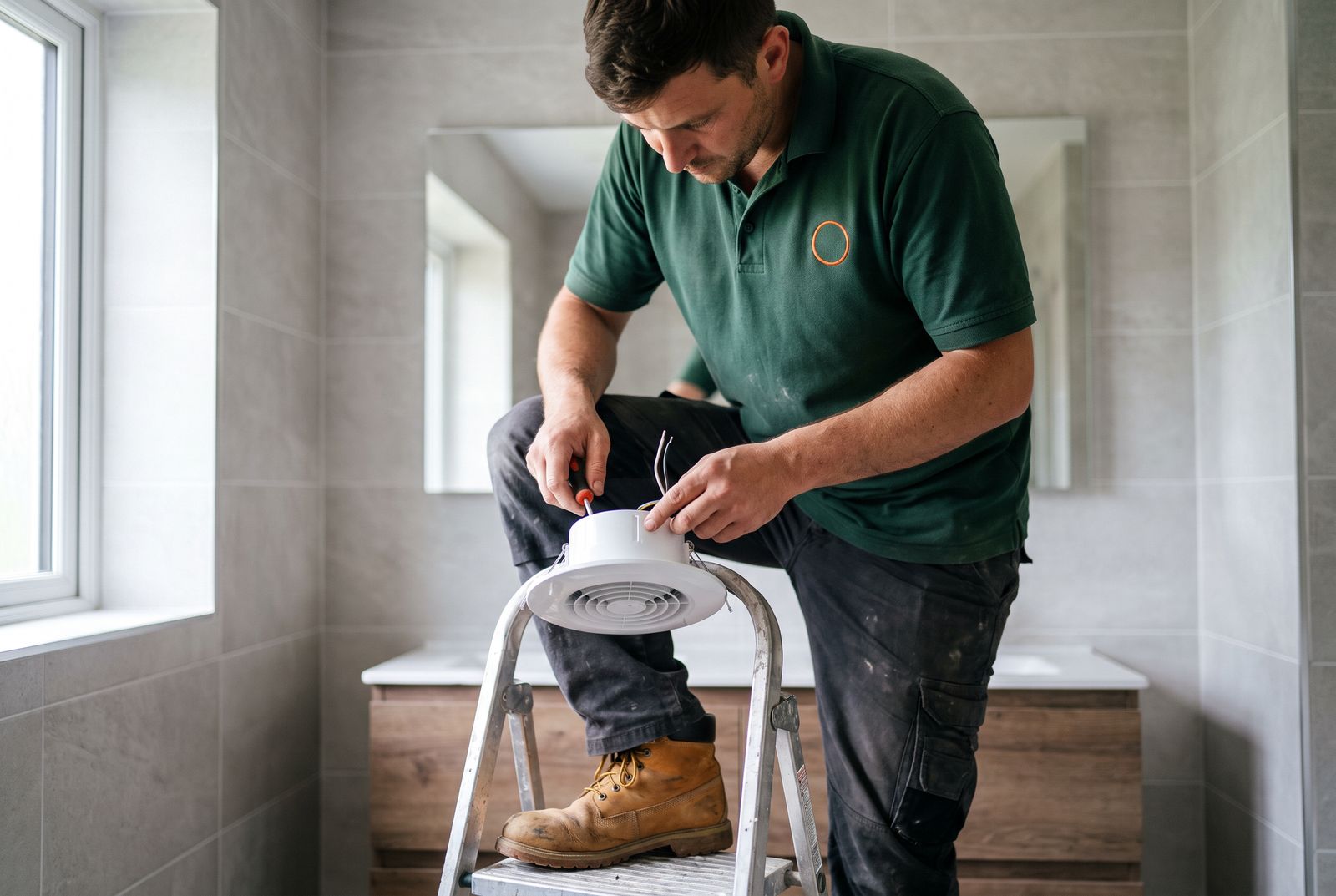 Extractor FansBathroom extractor fans and kitchen rangehoods wired and ducted outside, to move steam and damp out of the house.
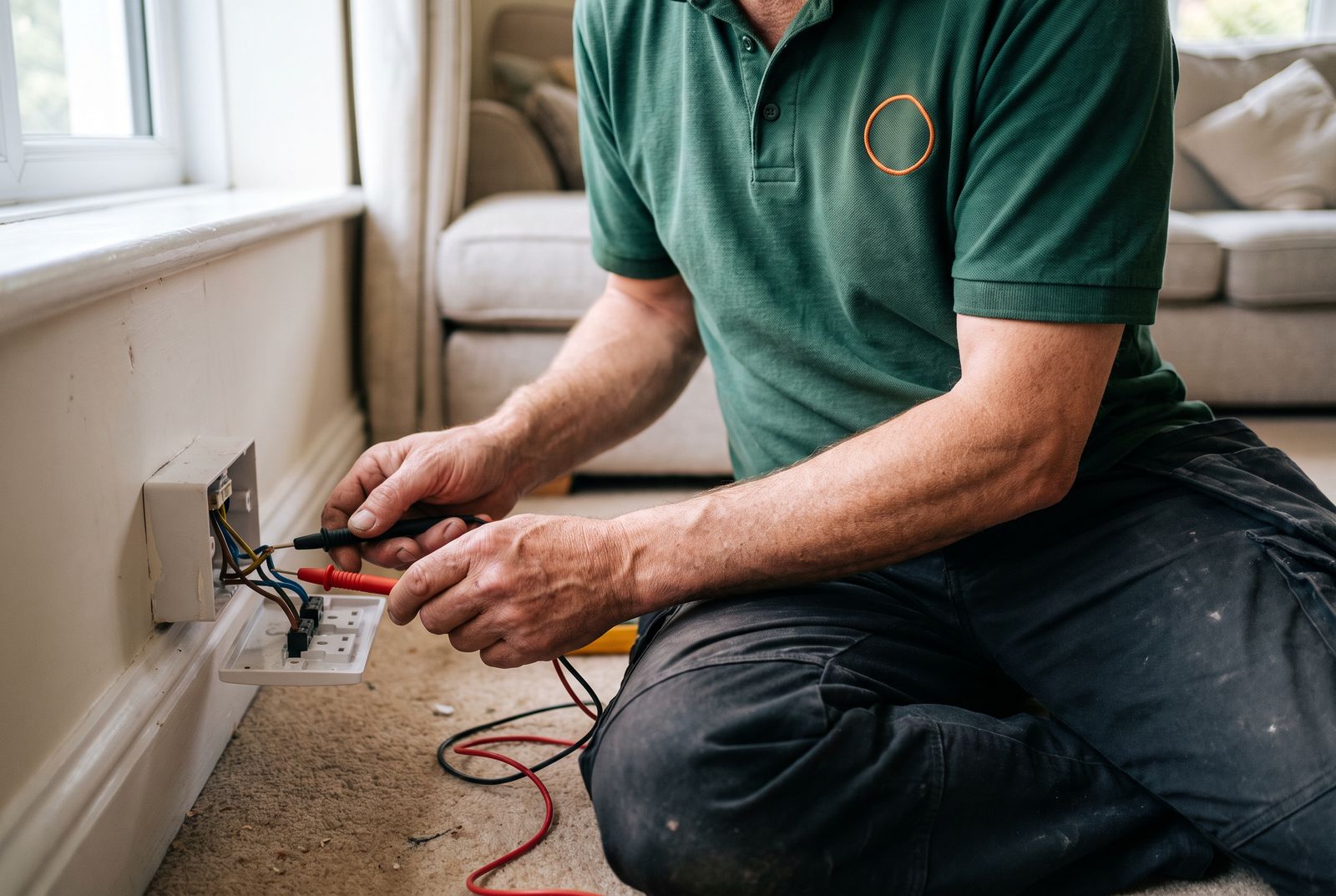 Electrical RepairsTripping RCDs, dead power points, flickering lights and faulty switches traced to the cause and repaired, not just reset.
Read Next
Wood Burner Expiring? Switching to Electric Heating in Christchurch
In the Christchurch Clean Air Zone, Environment Canterbury treats a low-emission wood burner as non-compliant 20 years a...
Read article
Power Out in Christchurch? Orion, MainPower and What to Check First
First check whether the outage is on the network or inside your home. Look at your switchboard for a tripped main switch...
Read article
Electric Underfloor Heating in Christchurch: Cost to Install and Run
Mitre 10 lists electric underfloor heating at about 150 to 200 watts per square metre, so a 5 square metre bathroom floo...
Read article